
The World Bank has handed the government a R25 billion cheque for a job that cannot be faked: clearing the bottlenecks that have strangled growth for years. That is the pitch, anyway. The harder question is whether another loan is finally buying real reform, or just financing the next round of confidence theatre.
The numbers are big enough to sound comforting and alarming at the same time. A $1.5 billion facility is meant to steady electricity, transport and water, lift service delivery, and help the economy grow in a way that produces actual work, not just policy statements. The Bank says the package could support nearly 600,000 jobs by 2032, with about 280,000 of them showing up as soon as next year. If that forecast is anywhere near right, this loan will look cheap in hindsight. If it is not, the debt will still be sitting there.
Why this loan is not just another line item
Finance Minister Enoch Godongwana says the money will help government keep stripping out the infrastructure blockages that have held back growth and hiring for years. That is the right diagnosis. Businesses do not expand on speeches. They expand when power stays on, freight moves, pipes run and ports stop behaving like bottlenecks with cranes attached.
This is the fourth development policy loan from the World Bank since 2022. The institution thinks the reform track is real enough to keep backing it. The state is also becoming increasingly comfortable with borrowing to buy time for structural fixes. That is fine if the fixes arrive. It is reckless if the money merely stretches out a familiar delay.
The Bank is explicit about the purpose. This is supposed to support long-term economic reform, not bankroll day-to-day spending. That distinction matters. Spending loans disappear into payrolls and maintenance arrears. Reform loans should change how the economy works. If this one works, the payoff comes from better throughput, stronger investment and lower friction, not from a ribbon-cutting photo op.
The progress claim is the part worth testing
The Bank is not selling this loan as a rescue operation. It is presenting it as a continuation of reforms that have already started to bite. Its own scoreboard is unusually bold.
Load shedding, it says, has been virtually eliminated for the past 18 months. Private investment in renewable energy has climbed sixfold. Rail and port freight volumes have risen by more than 50% since 2023. These are not small tweaks. They describe a system that has started to move after years of grinding in place.
The electricity story is the clearest reason investors are listening again. Once power supply stops being a daily crisis, boardrooms can do arithmetic instead of contingency planning. A sixfold jump in private renewable investment suggests capital is already reading the room. It is not waiting for permission to believe the grid might actually be improving.
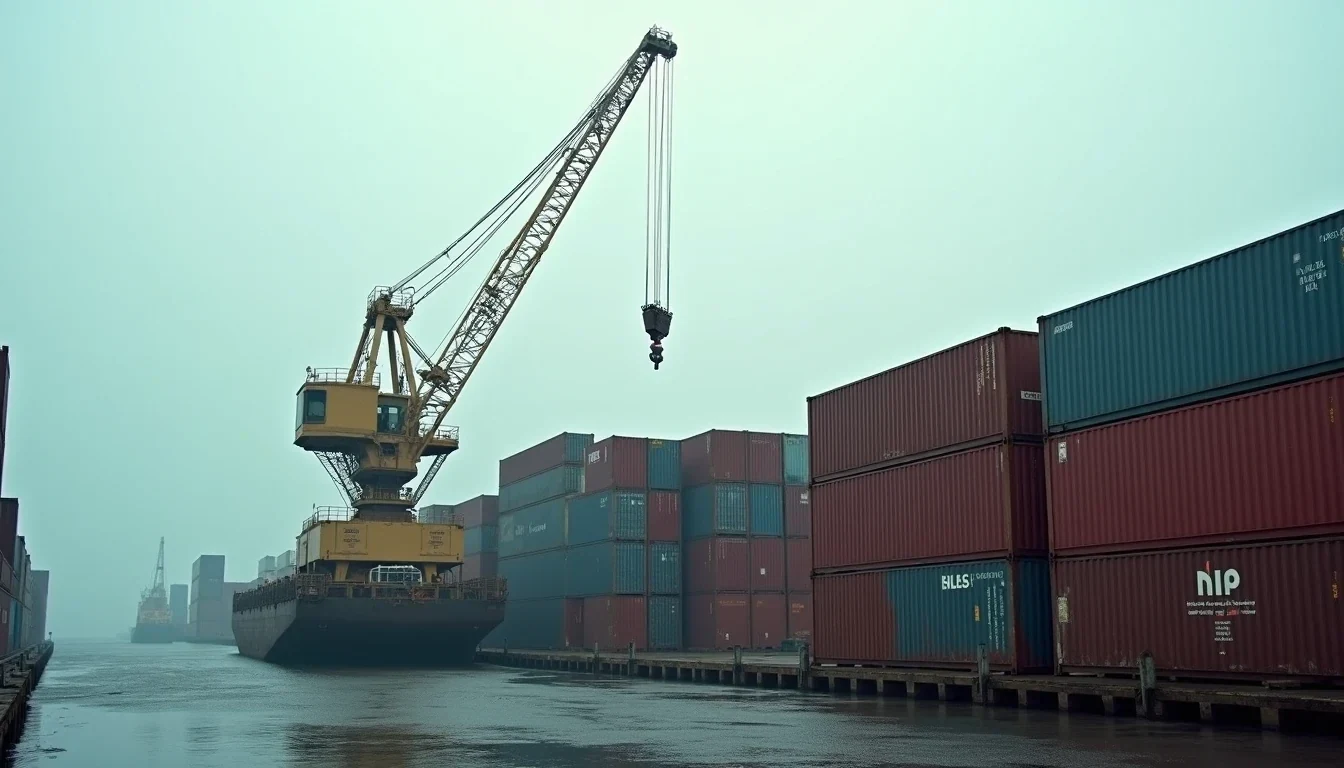
Transport matters just as much, though it gets less attention because rails and ports are less dramatic than blackouts. Freight volumes up by more than half since 2023 means more stuff is moving, and more reliably. That is the kind of boring success that changes export earnings, factory output and warehouse decisions. Nobody writes celebratory threads about freight, but freight is what makes the rest of the economy less theatrical.
Water is the new test
The most interesting shift in this programme is the water sector. For the first time, the loan puts heavy emphasis there, not as an afterthought but as a central reform target. That is overdue. Electricity gets the headlines. Water is where governance failures quietly become public humiliation.
The Bank says the aim is to fix governance problems and push more investment into water infrastructure, especially in communities that need it most. That wording is doing a lot of work. It acknowledges that the problem is not only pipes and treatment plants. It is also the way the sector is run, supervised and funded.
This is where the programme either becomes serious or stays performative. Water does not reward vague promises. It rewards the unglamorous stuff: competent procurement, functioning boards, credible maintenance, and someone being held responsible when projects stall. If the money lands in the same broken administrative habits that ruined the assets in the first place, the country will have bought itself a more expensive disappointment.
For operators, the water emphasis matters because it points straight at industrial life. Factories, farms, logistics hubs and new developments all depend on water that arrives on schedule and stays usable. A city can survive a glossy investment launch. It cannot survive a water system that constantly behaves like a warning sign.
The job promise is plausible, but only if the machinery keeps moving
The forecast of nearly 600,000 jobs by 2032 is the kind of number that invites scepticism on instinct. It should. Big labour claims often arrive wearing a tie and carrying no receipt. But this one is at least tied to a mechanism the economy understands. Better infrastructure lowers the cost of doing business. Lower costs make projects viable. Viable projects hire people.
The near-term estimate is more revealing than the 2032 headline. About 280,000 jobs are expected as early as next year. That is the kind of claim that will either age well or embarrass everyone. If jobs show up quickly, the loan will look like a catalyst. If they do not, the 2032 figure will drift into the usual fog of state-backed optimism.
The point is not that every job will come directly from the loan. It will not. The point is that infrastructure reform changes the conditions under which other firms hire. A port that clears cargo faster, a grid that stops tripping, and water systems that stop choking expansion all create room for payroll growth that government never has to directly manage.
The debt question is the one nobody can dodge
Critics are right to ask what happens to the balance sheet. Borrowing R25 billion is still borrowing R25 billion. The state does not get to call it strategic and pretend the liability disappeared into the air. Debt only becomes sensible when the growth it unlocks is stronger than the cost of carrying it.
That is why this loan is a bet, not a victory lap. Supporters are betting that reforms will hold, private money will follow, and services will improve enough to justify the debt. Critics are betting that execution will wobble, the state will absorb another obligation, and the promised benefits will arrive late or in a diluted form.
Both sides have evidence. The Bank can point to electricity, renewables and freight as proof that reform is no longer imaginary. Sceptics can point to the country’s long record of promising structural change and then discovering new ways to delay it. The history of public infrastructure here is not exactly a trust-building campaign.
The real question is whether the state can keep its nerve
This loan makes sense only if government treats it as pressure, not relief. Pressure to keep fixing the systems that matter. Pressure to stop mistaking announcements for delivery. Pressure to make water, transport and electricity boring in the best possible way, because boring infrastructure is what lets business become ambitious.
That is the strategic case for taking the money. Not because debt is attractive. Not because multilateral lending is magical. Because the economy has already paid a much bigger hidden tax for years, in lost output, delayed projects and jobs that never existed.
The risk is obvious. If the reforms stall, the debt stays. If the reforms hold, the loan starts to look less like a burden and more like the price of getting unstuck. Right now, the country is still living in the space between those two outcomes.